Oral and Maxillofacial Surgery

Overview
The Department of Oral and Maxillofacial Surgery focuses on the diagnosis and treatment of pathological, traumatic, and developmental conditions involving the soft (cheeks, lips, palate, tongue, muscles, etc.) and hard tissues (teeth and bones) of the oral and maxillofacial region.
The department provides a wide range of surgical services, from routine procedures to advanced reconstructive operations, employing modern technologies and evidence-based approaches to restore oral function, esthetics, and overall well-being.
Education
Education in oral and maxillofacial surgery begins in the third year of the undergraduate dental curriculum with theoretical courses and continues through fourth and fifth years with clinical practice.
Students are trained in the principles of oral surgery, asepsis and antisepsis, tooth extractions, management of impacted teeth, treatment of oral infections, dental implant surgery, trauma management, and surgical treatment of pathological lesions.
The program aims to equip students with the knowledge and skills necessary to plan and perform both minor and complex oral surgical procedures safely and effectively.
Clinical Services
Our clinic provides comprehensive surgical care for the diagnosis and treatment of a wide range of oral and maxillofacial conditions, including:
- Surgical removal or eruption assistance of impacted teeth
- Extraction of complicated or erupted teeth
- Management of odontogenic infections
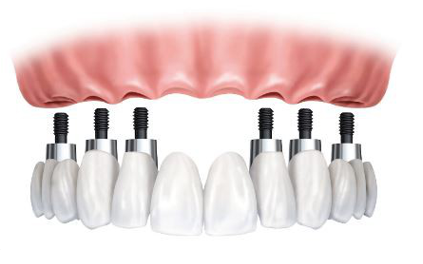
- Dental implant surgery
- Surgical treatment of cysts and tumors
- Temporomandibular joint (TMJ) disorders and surgery
- Salivary gland diseases and surgery
- Diagnosis and management of orofacial pain
- Diagnosis and treatment of oral diseases
- Bone augmentation and reconstructive surgery
- Treatment of maxillofacial fractures
- Orthognathic surgery
- Treatment of odontogenic bone lesions (apical resection)
- Pre-prosthetic soft and hard tissue corrections
In addition to routine procedures, advanced bone augmentation techniques such as bone grafting and distraction osteogenesis are utilized to enable implant placement in patients with insufficient bone volume.
Upon completion of the ongoing infrastructural arrangements, surgical interventions under sedation and general anesthesia will also be available for pediatric, special needs, and highly anxious patients.
Academic Staff and Research
The department consists of one Professor, two Associate Professors, and several research assistants who actively contribute to education, clinical service, and scientific research.
Our academic team conducts studies at both national and international levels, focusing on the development of new surgical techniques, biomaterials, and clinical outcomes in oral and maxillofacial surgery.
Vision
To become a leading national and international center of excellence in oral and maxillofacial surgery, recognized for scientific research, advanced technology, patient safety, and high-quality education.
Mission
To educate future dentists and specialists who possess advanced surgical skills, ethical awareness, and clinical competence, and to provide patients with reliable, effective, and high-standard surgical treatment services based on scientific evidence and modern technology.